

Could Montenegro be the next Marassi? Exploring a luxury Egyptian resort and what it could mean for our coast


Author: Rajko Milić
Investitor.me – CEO, main editor and journalist
As global investors race to discover rare, untouched corners of the Mediterranean, one project in Egypt offers a clear vision of what Montenegro could achieve with the right conditions for strategic development. The project in question is Marassi—a spectacular luxury resort on Egypt’s northern coast, developed by Eagle Hills, a company owned by prominent investor Mohamed Alabbar.
By inviting Montenegrin journalists to visit Marassi, Alabbar sent a clear signal: Montenegro is next on his investment map. While no official details have been made public, it is evident that intense negotiations are underway with the Government of Montenegro. One location increasingly being mentioned is Buljarica—one of the last large, undeveloped coastal areas. Though Alabbar has neither confirmed nor denied plans specifically for Buljarica, he has hinted at potential projects both there and in the north of the country. More on what this Dubai-based investor—who has recently been at the center of public attention in Montenegro—has in mind, can be read below.
Marassi: A Vision That Transformed Egypt’s Coastline
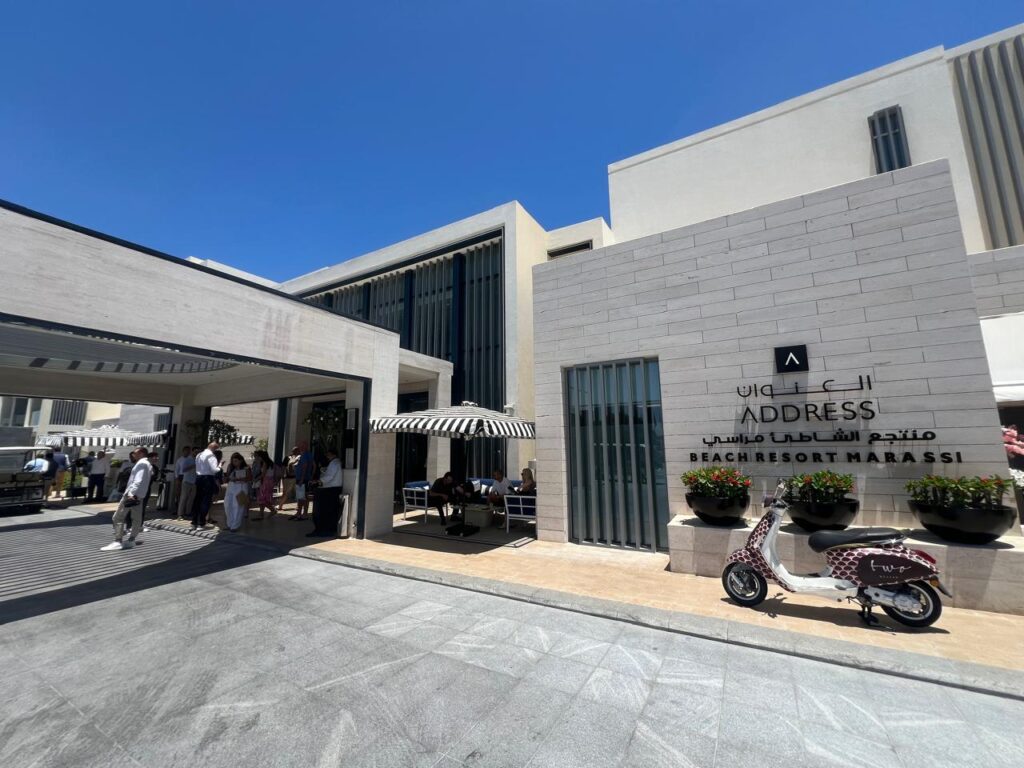
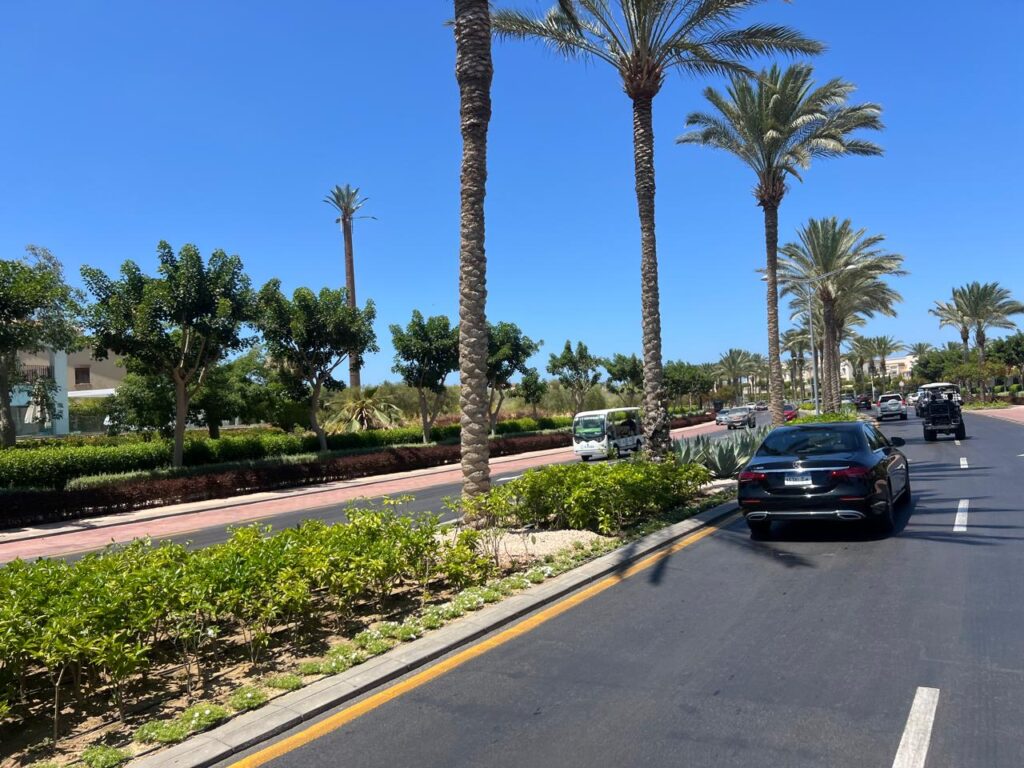
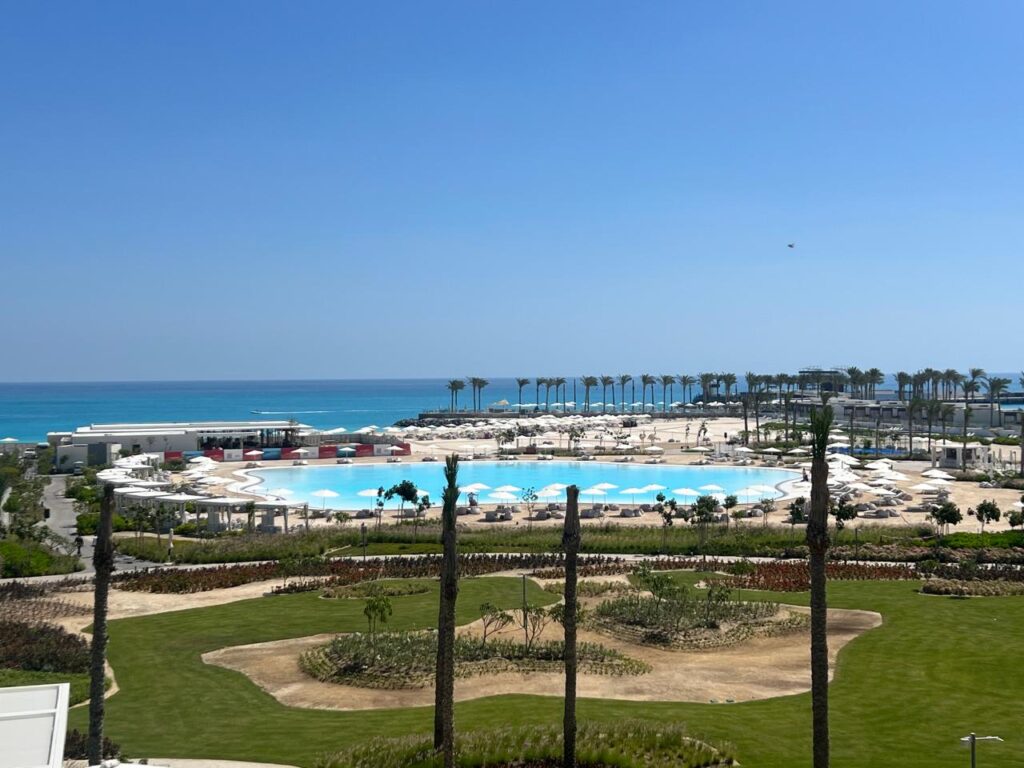
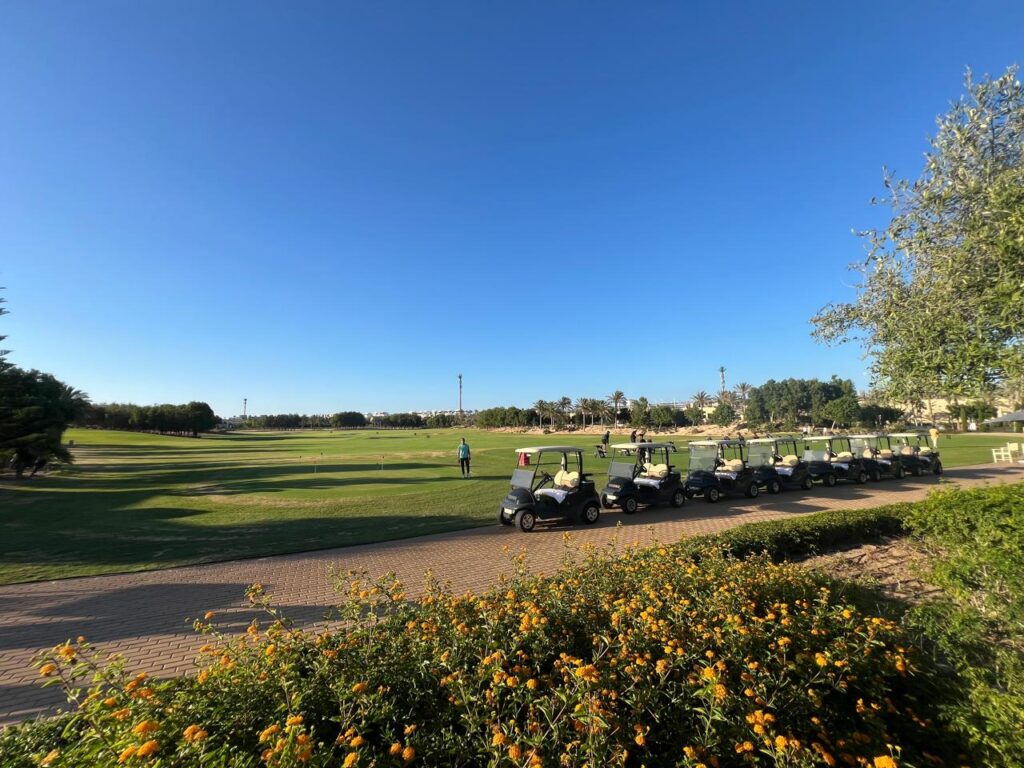
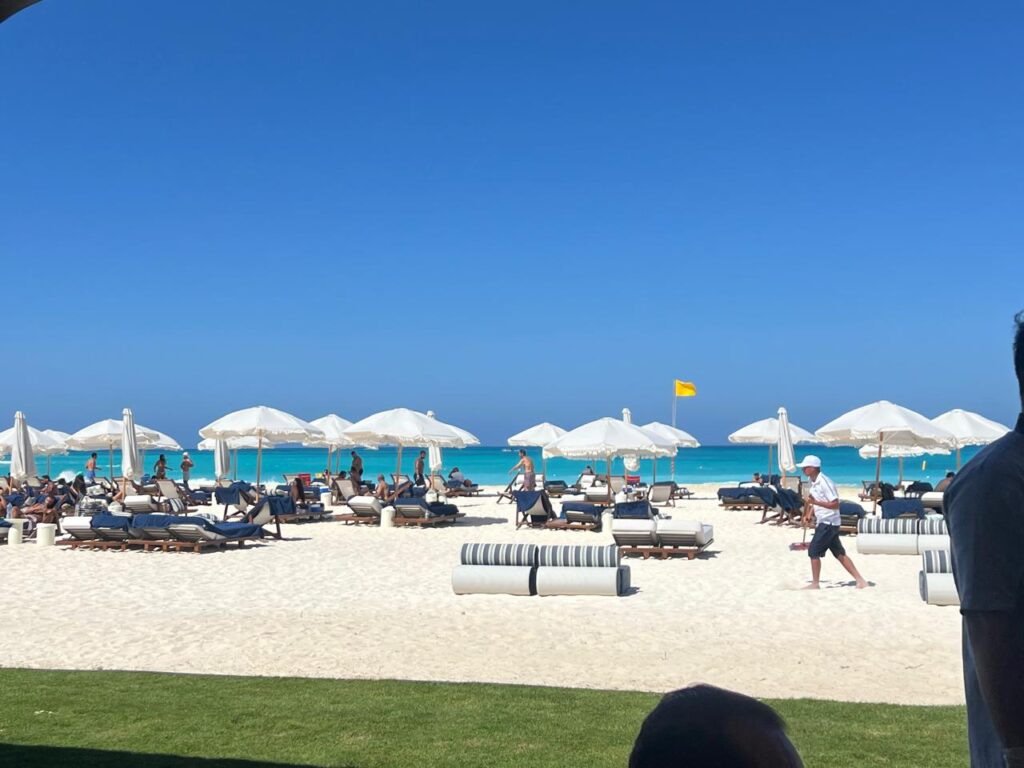
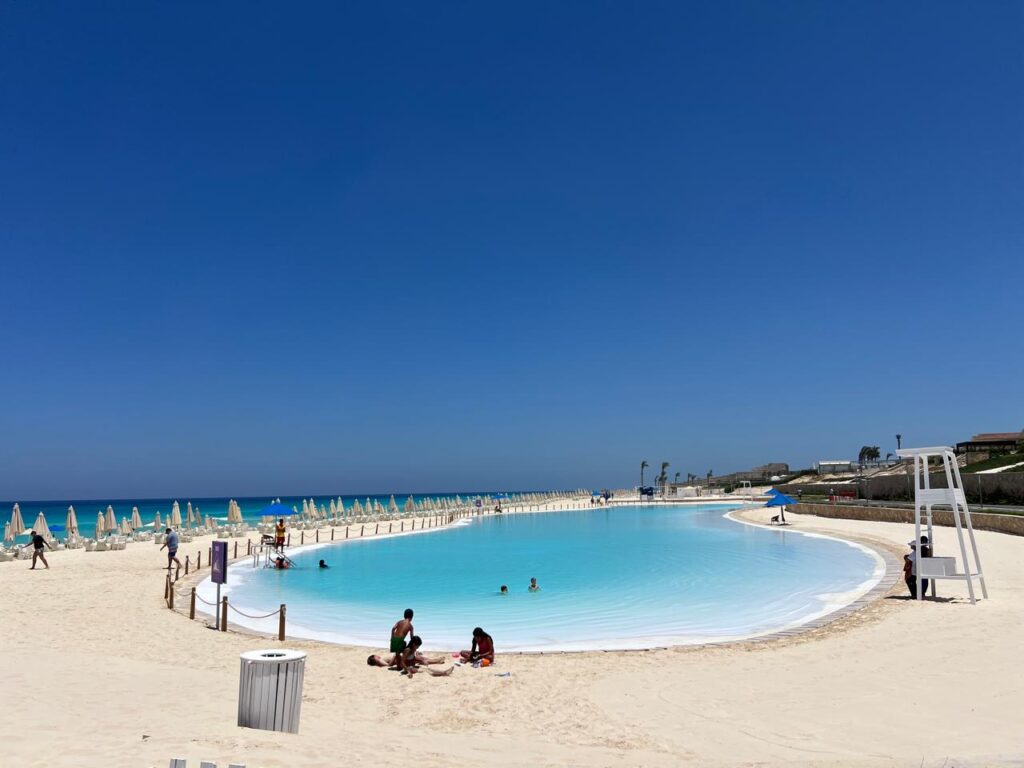
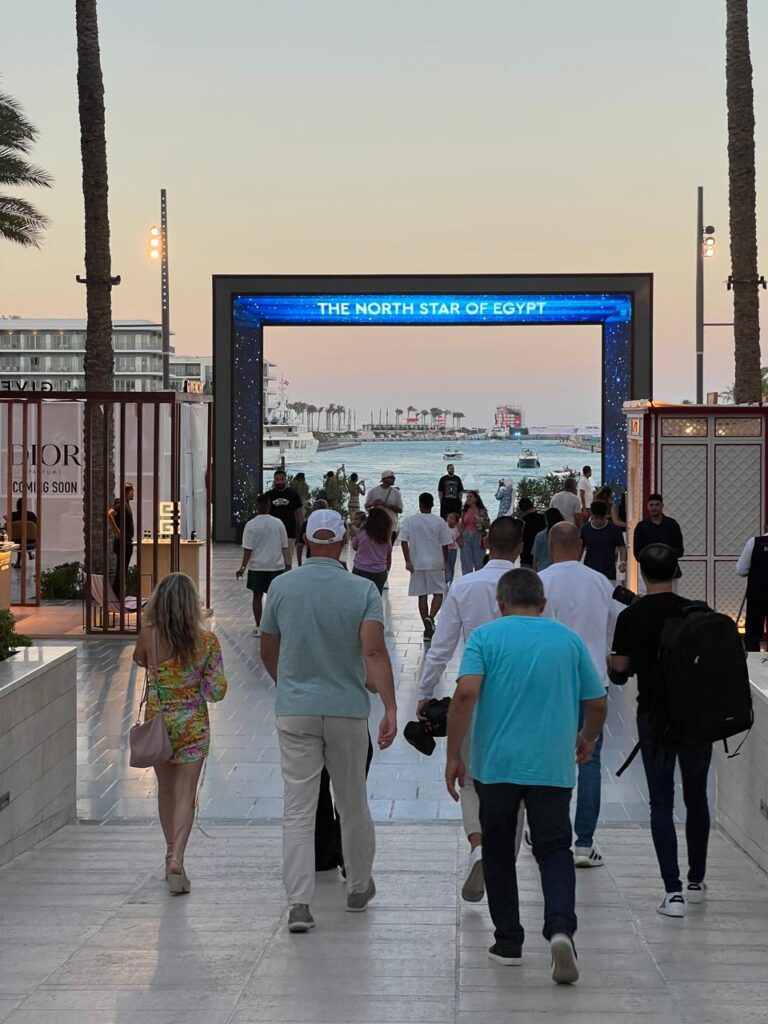
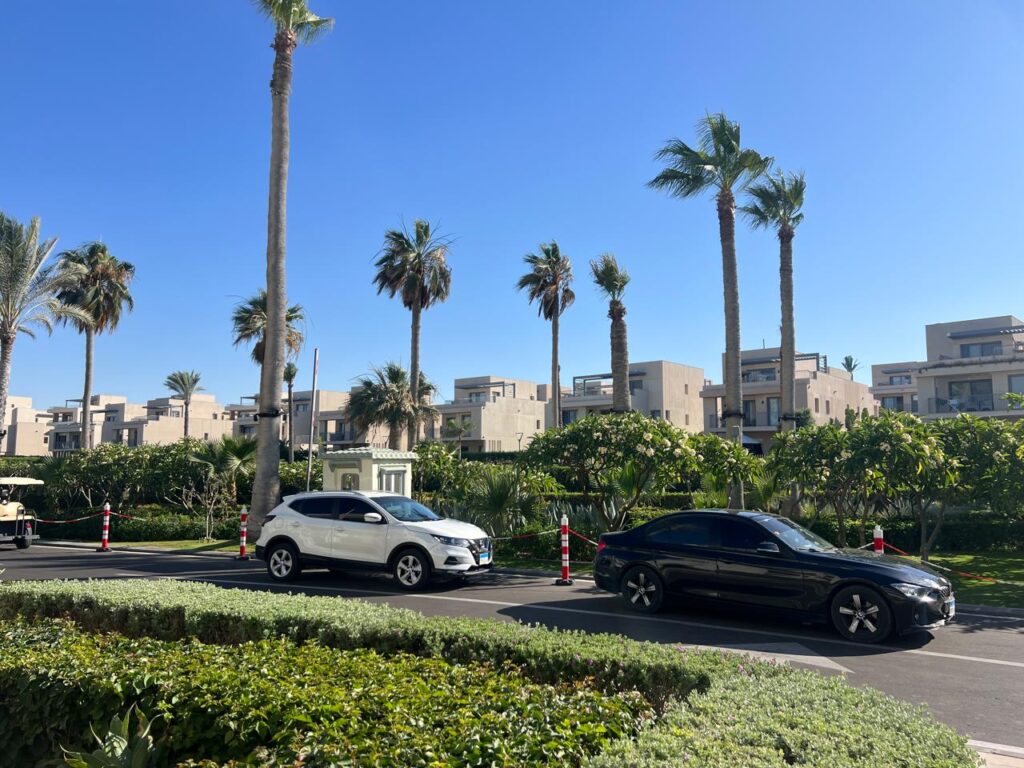
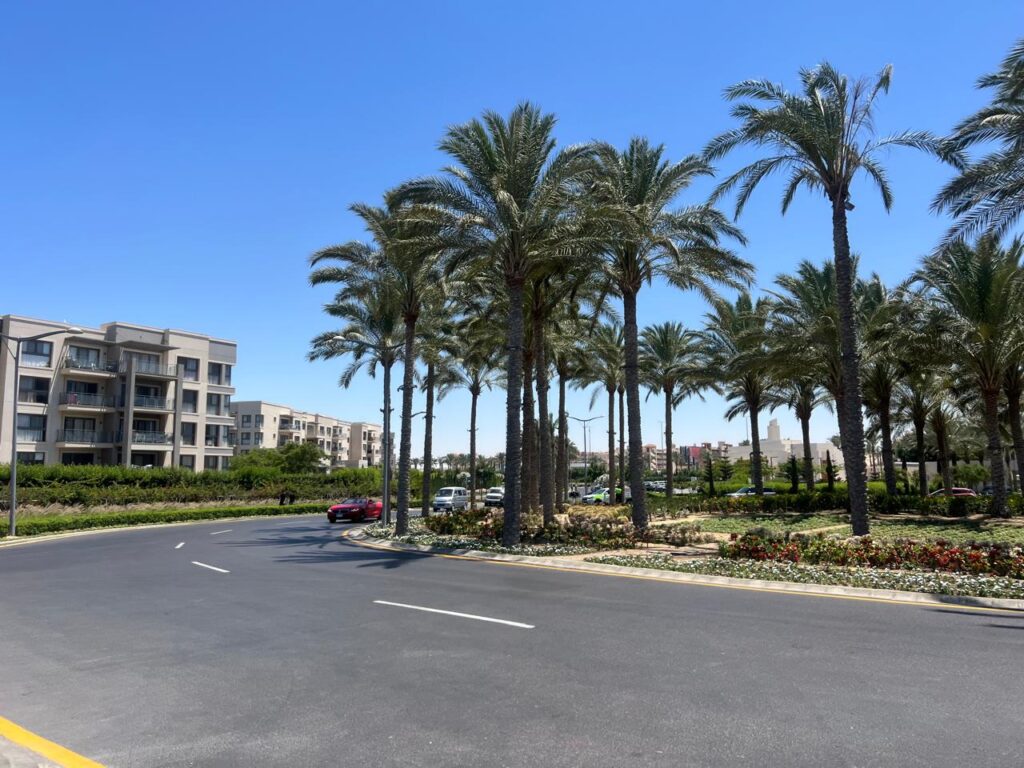
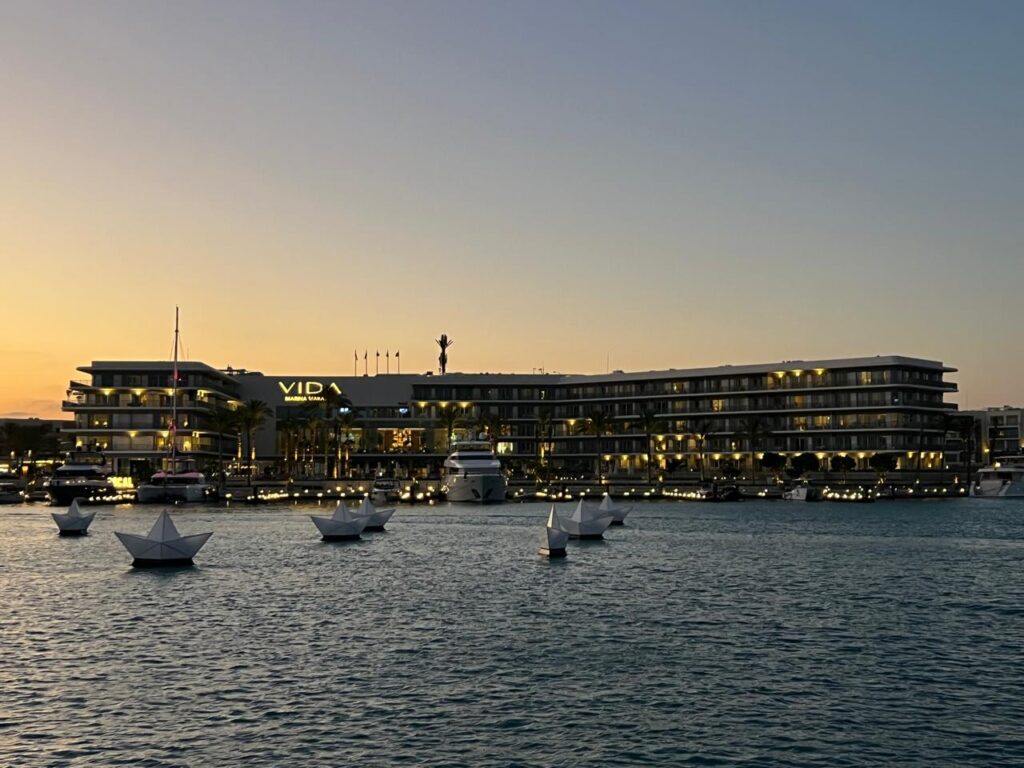
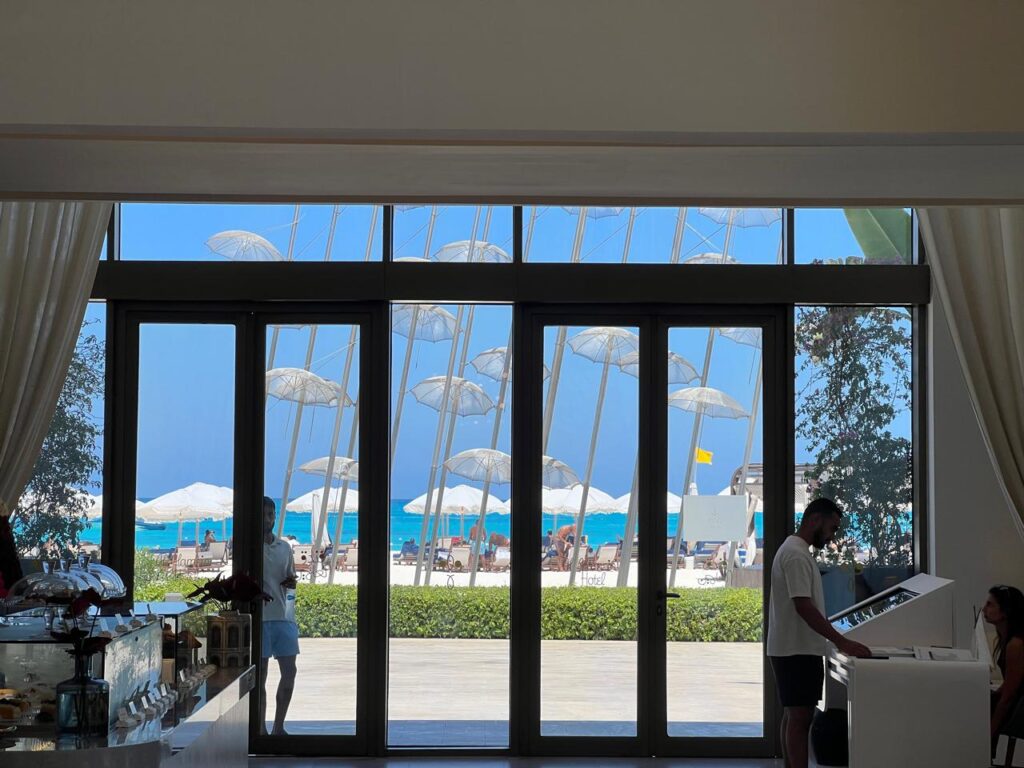
At first glance, Marassi looks like a postcard—6.5 million square meters of luxury, with a marina offering 267 berths, ten hotels, villas, golf courses, schools, sports centers, and world-class infrastructure. The project began in 2007 and is scheduled for completion by 2030.
However, what sets Marassi apart from typical luxury resorts is its development model: integration with the local community, sustainability, and long-term social impact.
“We’ve opened over 500 businesses in cooperation with local residents, and currently employ around 20,000 people. Marassi is not just about tourism—it’s an economic engine for the entire region,” says Mustafa El Kadi, Development Director at Eagle Hills.
In the nearby village of Sidi Abdel Rahman, local income has tripled. The previously inactive El Alamein Airport is now connected to Dubai, Saudi Arabia, and other destinations. From Marassi alone, over 600 million Egyptian pounds in taxes have been paid to the state.
Design Without Compromise: Where Even Cell Towers Look Like Palm Trees
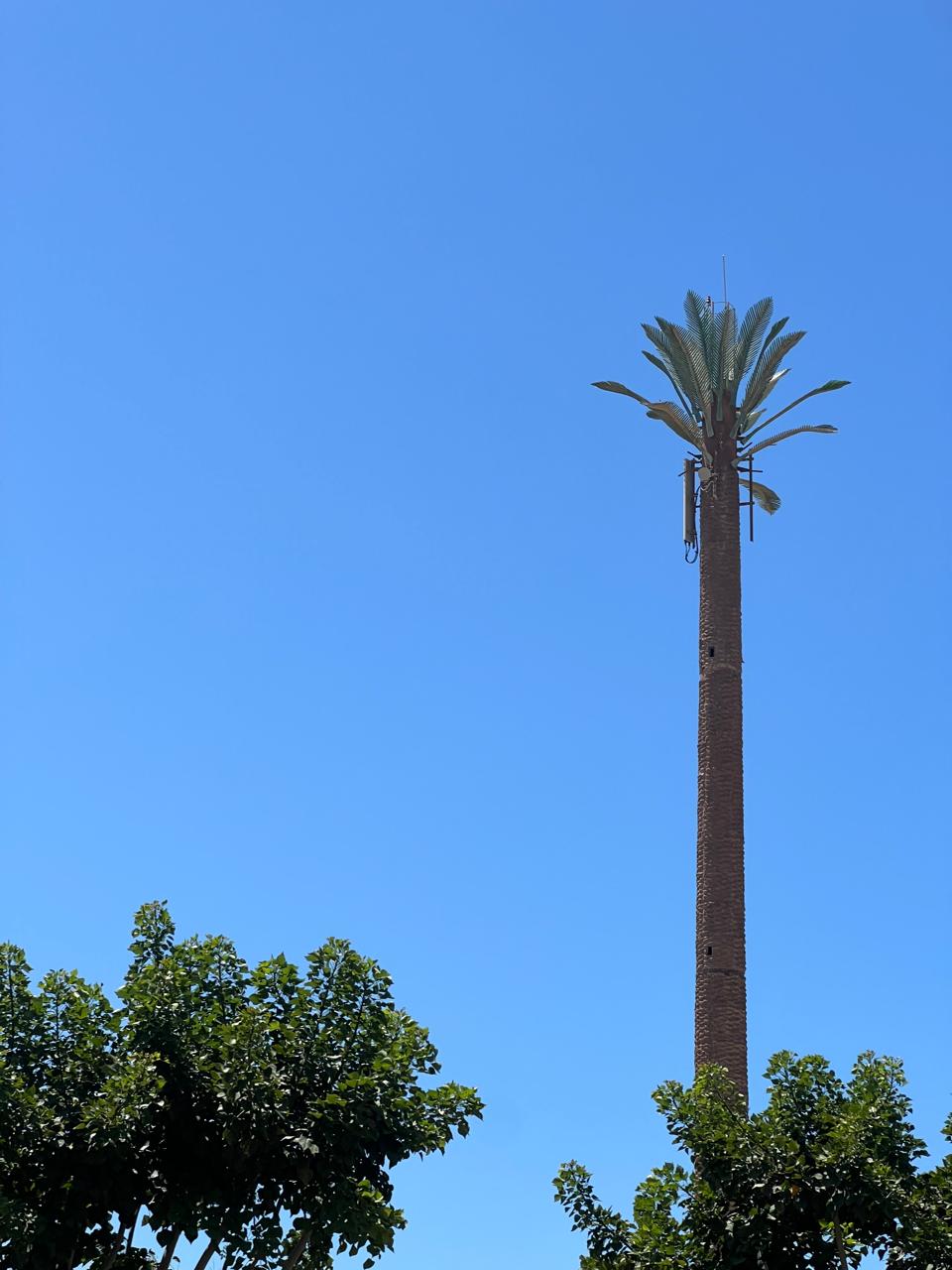
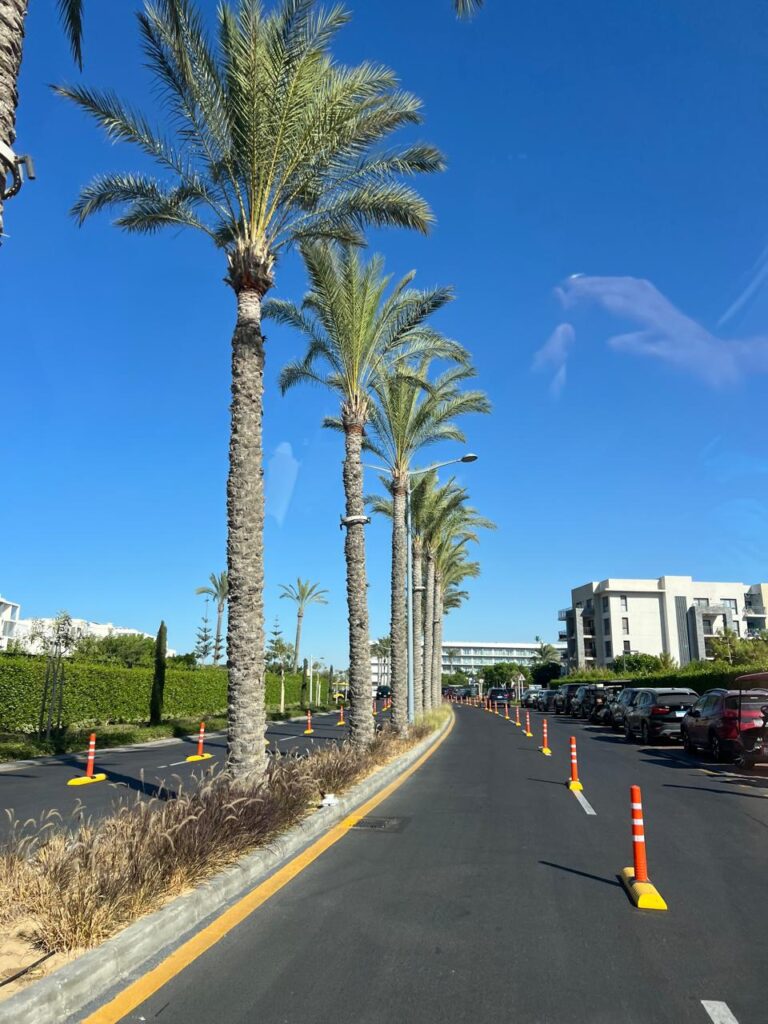
One of the most striking examples of Marassi’s perfectionist philosophy was spotted during a drive through the resort—a telecommunications tower disguised as a palm tree. At first glance, it appears to be a normal palm, identical to those lining the streets and gardens. However, closer inspection reveals an artificial structure outfitted with mobile and internet equipment. Its metal frame is carefully covered and designed to mimic a real tree trunk, topped with synthetic fronds that replicate a natural crown.
This near-cinematic design intervention illustrates the meticulous attention to every visual detail. The goal wasn’t just to provide robust infrastructure and modern communication networks, but to fully integrate even the most technical elements into the landscape, without disrupting the aesthetic harmony.
In Marassi, nothing is left to chance—not the flowers in the gardens, the table layouts in restaurants, nor, clearly, the telecom towers. Aesthetics know no compromise here, and the disguised palms are a perfect example of the fusion between technology and design that enhances the feeling of luxury, discretion, and spatial harmony.
Is a Marassi-style development possible in Montenegro?
The answer is: yes—but only under certain conditions, including political will, clearly regulated property ownership, and a strategic approach. The location most comparable to Marassi in terms of potential is Buljarica, a beach stretching approximately 2.5 kilometers between Petrovac and Bar, largely untouched by development.
Buljarica has already drawn interest from major investors—from Israelis to controversial regional businessmen—but every attempt at development has been stalled by a complicated ownership structure. It’s even been speculated that negotiations around Buljarica, where the Serbian Orthodox Church holds significant land, were one of the contentious issues that contributed to the fall of the previous government.
Nonetheless, the potential is undeniable. If the property and legal entanglements can be resolved, Buljarica could become Montenegro’s answer to projects like Marassi, Porto Montenegro, or Luštica—though with a more inclusive development philosophy.
“You can’t just build buildings. You have to think about people, children, schools, every flower in the garden. Only then does a project have a soul and a chance to succeed,” says Alabbar.
An Investment or a Turning Point?
Alabbar doesn’t invest at random. Wherever Eagle Hills goes, others follow. This has been the case in Egypt, Serbia, Latvia, and Albania.
His entry into Montenegro—if matched with strategic political and administrative readiness, which has been lacking in recent years—could mark a turning point for the country’s tourism future. Not just in terms of revenue, but in establishing a new, socially-conscious development model.
Montenegro now faces a challenge: Will Buljarica remain an elusive opportunity for decades to come, or will it become a model of sustainable luxury and smart investment—like Marassi?